Insulation – Control Transformer


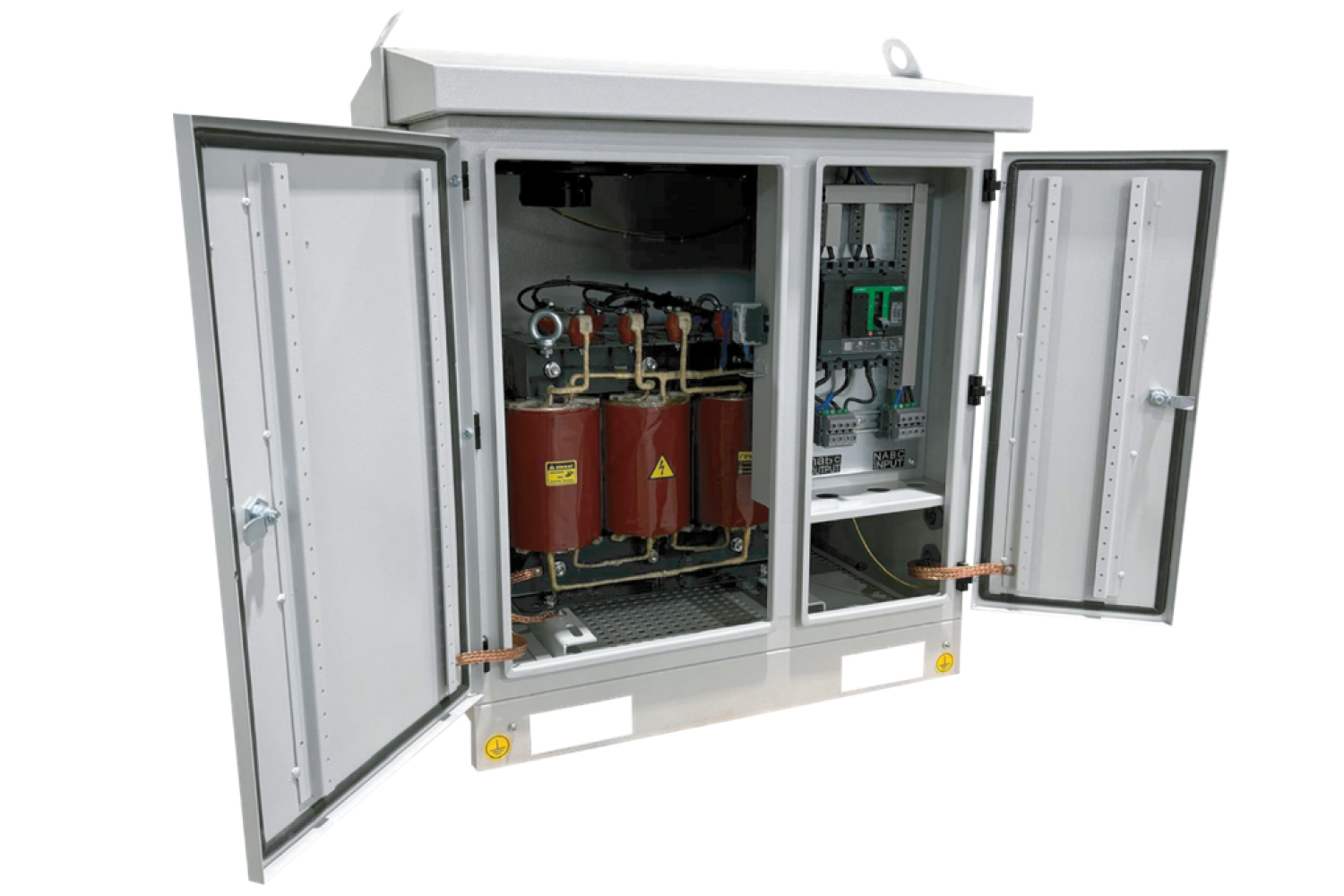
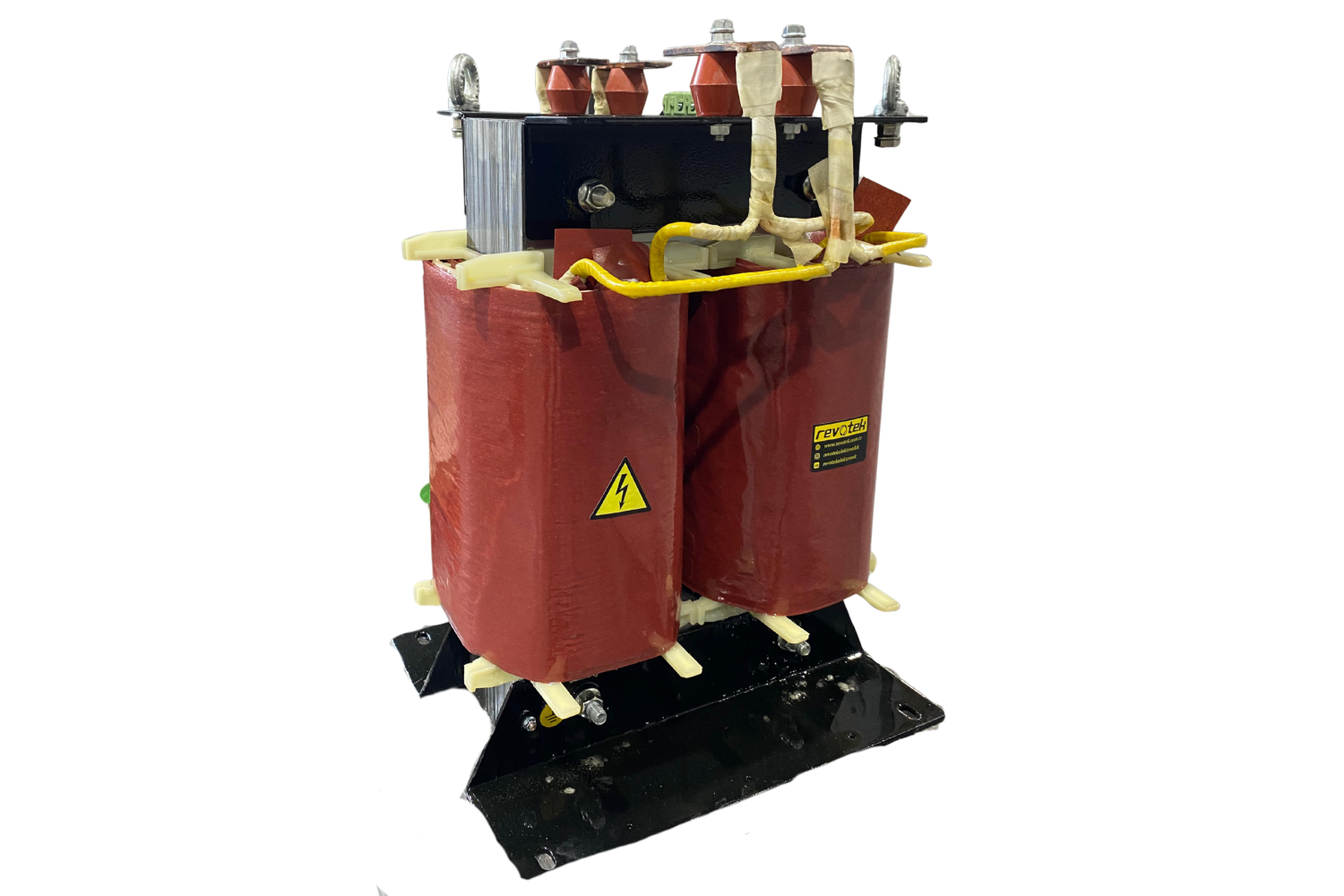
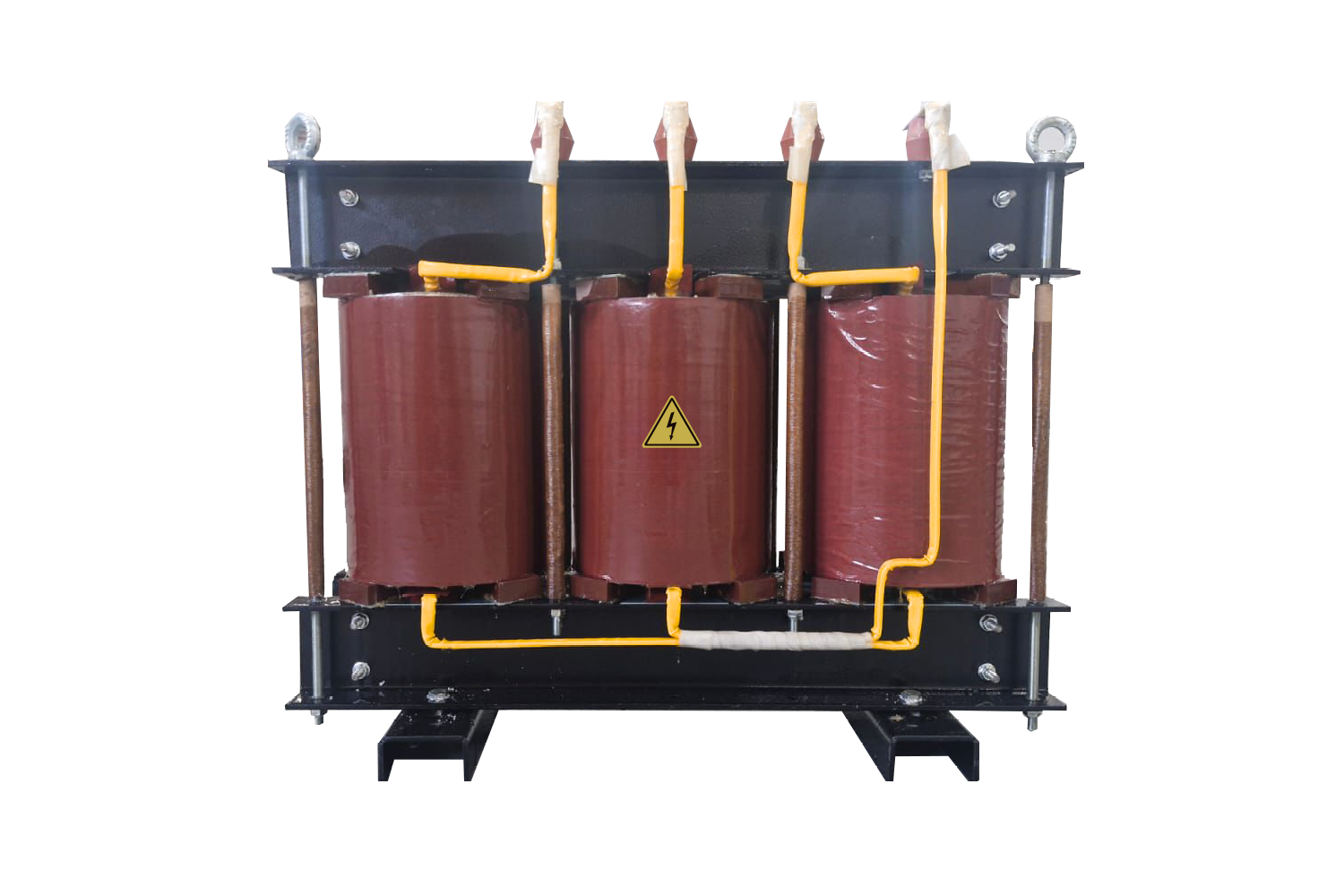
The isolation transformer provides isolation of the receiver and the network from each other. This insulation is important to reduce risks caused by high voltage and ensure safe energy transmission. Isolation transformers generally provide galvanic isolation, minimizing the electrical interaction of one circuit with another. Input and output voltages are up to 1000 V, and the power rating of the transformer is determined in a range up to 1600 kVa.
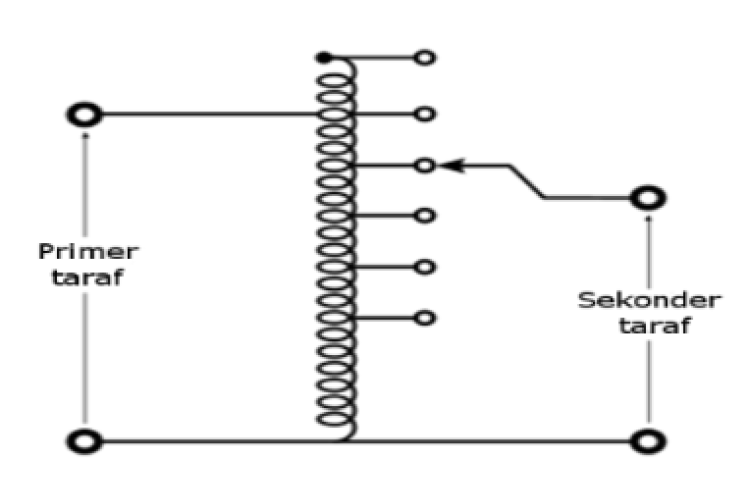
The working principle of the isolation transformer is based on the principle of magnetic induction between two windings. This transformer has two windings, primary (input) and secondary (output). The alternating current applied to the primary winding creates a magnetic field. This magnetic field creates an induction in the iron core. Since the secondary winding is under the influence of this magnetic field, it produces a voltage as a result of this induction. In this way, energy transfer is provided without a direct electrical connection between the primary and secondary circuits. This isolation is used to safely transfer energy from a high voltage system to a low voltage system and vice versa.